


Follow us on youtube for more valuable content in video format:
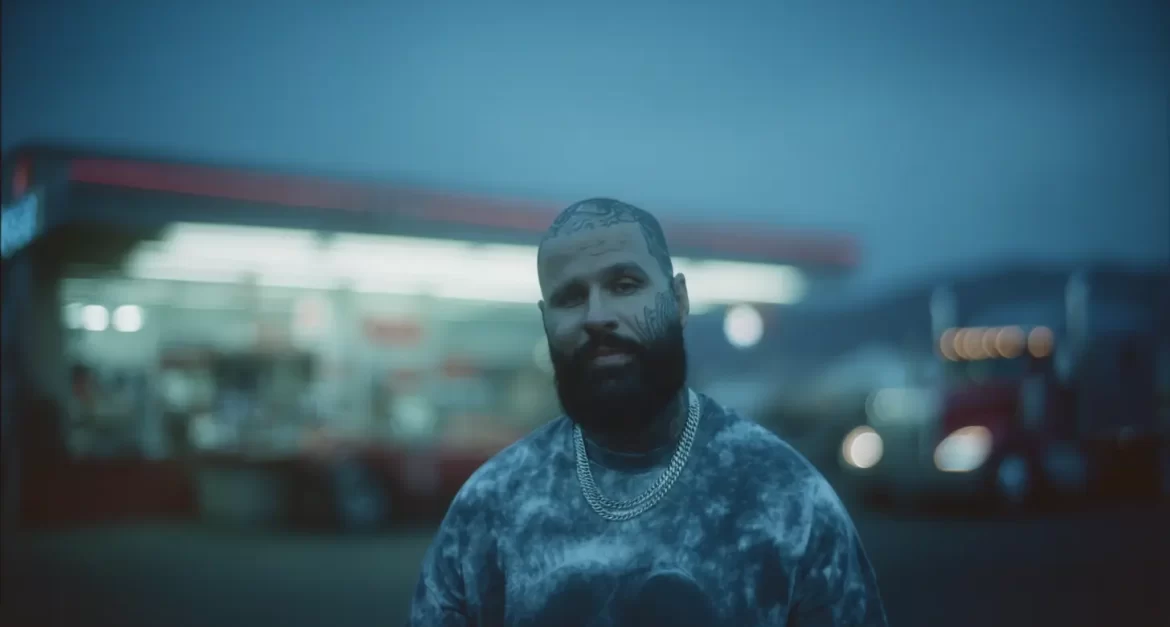
You might’ve seen him on TikTok back in 2023 – some guy bragging about “crazy money,” showing off multiple houses, and flashing cash like he’d hit the lottery in trucking. His nickname was “G-Face,” but drivers started calling him “Baby G,” and for all the wrong reasons. His real name? Yuri Khatchikyan. And by 2024, federal authorities had a different name for him: defendant.
This is the story of how one guy built an entire freight brokerage scam, became the so-called “King of Double Brokers,” and left countless drivers holding the bag – literally. If you haul freight for a living, you need to know how this scam worked, because trust me, G-Face wasn’t the first and he won’t be the last.
The Rise of a TikTok Scammer
Let’s rewind to the early 2020s. Khatchikyan wasn’t exactly subtle about his operation. He built what looked like a legitimate freight brokerage network and started posting videos on TikTok bragging about his trucking success. The guy was showing off wealth most carriers could only dream of – multiple homes, expensive cars, and stacks of cash. He claimed it all came from hauling freight.
But here’s the thing: while G-Face was living large, drivers and legit brokers started noticing something fishy. Carriers began accusing him online of stealing loads. What started as social media drama turned into a federal case when investigators started connecting the dots. By spring 2024, the party was over. Khatchikyan was indicted on fraud charges, including conspiracy to commit wire fraud, and taken into federal custody.
What’s wild? He’s sitting in protective custody in jail – not just because of the fraud charges, but because he’s reportedly been a DEA informant since 2005. Turns out, snitches end up in tight spots, even in the trucking world.
So What Exactly Is Double Brokering?
If you’re new to this game, let me break it down real simple. Double brokering is when someone books a load – either from a load board or directly from a shipper – and then secretly hands it off to another carrier without authorization. They pocket the difference in rates or the broker fee, and sometimes they just vanish with the payment altogether.
Think of it like this: you agree to haul a load from Chicago to Atlanta for $2,500. But the “broker” who hired you never had authority to touch that load in the first place. They grabbed it from the real shipper for $3,000, kept $500 (or more) for themselves, and passed it to you for cheaper. Worse yet, they might collect the full payment from the shipper and then ghost you when it’s time to pay up.
As eCapital explains, illegitimate carriers “accept a load with no intention of hauling it, pass the freight onto another company for transport at a lower rate and pocket the difference… or accept payment, pocket the fee, and disappear without paying the carrier.”
That’s exactly what Khatchikyan’s crew did – and they weren’t amateurs.
How G-Face’s Scam Actually Worked
Khatchikyan’s network wasn’t just some fly-by-night operation. These guys were organized, and they exploited every weakness in the freight system they could find. Let me walk you through their playbook:
Fake Broker IDs and Shell Companies
The ring used dummy companies with fresh DOT and MC numbers to look legitimate. They’d sign up on load boards as carriers, book a load, then immediately turn around and repost it as “brokers” at higher rates. Real carriers would see the load, think it was legit, and take the bait. Payments from the shipper went straight to the fake broker – and then poof, they disappeared.
In one related scheme in Southern California, investigators found scammers who demanded fuel advances or upfront payments, then re-brokered the loads to unsuspecting carriers and never paid them. They hid their tracks using P.O. boxes and call-forwarding services, making it nearly impossible to track them down.
Load Board Manipulation
Here’s where it gets sneaky. Scammers would post and repost the same load over and over. A load might first appear at market rate, then get quickly re-posted elsewhere for much less after it was contracted. This is a major red flag that carriers should watch for. When you see the same load popping up repeatedly on different load boards – whether you’re using DAT, Truckstop, or another platform – something’s not right.
Data Spoofing and AI Technology
Now we’re getting into next-level fraud. Recent industry reports show that criminal rings are even using AI and stolen data to create realistic-looking carrier profiles. While AI technology is changing legitimate dispatching for the better, scammers are exploiting the same tools. They’ll use real company information to build fake identities, and they can fabricate entire tracking histories to fool everyone involved.
In one documented case, scammers actually diverted loads by faking delivery updates. Two trailer-loads of tequila were rerouted and stolen while the system showed them as “delivered normally.” The AI-generated tracking made it look like the load reached its destination, masking the theft completely.
The Ghost Act
After brokering a load, these fraudsters would change their contact info to untraceable P.O. boxes and cut off their phone lines. When payment time came around, nobody could reach them. By constantly registering new contact details and spinning up fresh company names, they stayed one step ahead of enforcement and credit-monitoring services.
Legitimate Broker vs. Double-Broker Scam: Spot the Difference
Look, not every broker is out to scam you. Most are running honest businesses. But you need to know what separates the real deal from the con artists. Here’s a side-by-side comparison:
| Legitimate Broker | Double-Broker Scam |
|---|---|
| Active FMCSA registration with verifiable MC number | Missing, inactive, or spoofed MC authority |
| Consistent company contact info (office phone, business email) | Burner phones, generic emails, disconnected numbers |
| Your company name appears on the Bill of Lading | Asks you to check in under a different company's name |
| Standard payment terms (NET 30, NET 45) with clear contracts | Demands upfront cash, fuel advances, or cryptocurrency |
| Load appears once at market rate on load boards | Same load reposted multiple times at varying rates |
| Professional communication and established business history | High-pressure tactics, too-good-to-be-true rates |
| Proper insurance certificates and surety bonds | Incomplete or fake insurance documentation |
| Transparent about load details and shipper information | Vague or evasive about load origin or destination |
This table isn’t just academic – it could save you thousands of dollars and weeks of headaches. Print it out and keep it in your truck if you need to.
Red Flags Every Driver Should Know
Let me give it to you straight: if you’re not paying attention to warning signs, you’re asking to get burned. Here’s what experienced carriers watch for:
Reposted or Duplicate Loads: If you’re seeing the same load pop up repeatedly on different load boards, especially at different rates, pump the brakes. That’s suspicious. If a broker is offering a rate that’s way higher than the market average, ask yourself why. Could be they’re planning to pocket extra cash and run.
Name Mismatches on Paperwork: Federal law requires your actual carrier name on the bill of lading. If a broker asks you to check in under a different company’s name, or you see another carrier listed on the paperwork, that’s a massive red flag. Some drivers have reported hauling freight for days, only to go back to the original broker who had “no idea” the load had been re-brokered.
Broker Verification Problems: Always look up your broker on the FMCSA website. If their MC number is missing, inactive, or the company info looks sketchy, don’t touch that load. Fraudsters often spoof real brokers’ identities or use non-existent authority. Watch out for poor contact information too – generic email addresses, disconnected phone numbers, or brokers who only communicate via text message are bad news.
Weird Payment Terms: Be extremely skeptical of brokers who insist on large cash advances for fuel or fees, or who want payment in cryptocurrency or mailed checks. These are classic tricks to pocket money without a trace. Some carriers have even received fake payment notices from banks to mislead them into thinking a load was already paid. If you’re consistently dealing with payment headaches, consider working with a reputable factoring company that vets brokers and protects your cash flow.
If any of these red flags pop up, stop what you’re doing and verify everything with the original shipper or broker. A quick phone call could save you from weeks of unpaid work.
The Takedown: Justice Catches Up
By early 2024, federal prosecutors had built their case. Khatchikyan was indicted in March 2024, with court filings in Louisiana charging him and at least one associate with conspiracy to commit wire fraud and related offenses. He was arraigned on April 11, 2024.
The charges are serious. If convicted of conspiracy to commit wire fraud and money laundering, G-Face could be looking at decades behind bars. As of 2025, no public sentencing had been announced, but make no mistake – the Justice Department is taking trucking fraud seriously these days.
This isn’t an isolated case either. Federal prosecutors have been cracking down on double-broker rings across the country. The investigation revealed a web of shell companies and fake brokers all connected to Khatchikyan’s network, using the same tactics seen in other major fraud operations.
What This Means for You: Real Impact on Real Drivers
Let’s talk about what double brokering actually costs drivers beyond just the headlines.
Financial Devastation
Carriers are often left holding the bag for huge losses. We’re talking about drivers who spend a week or more hauling freight, then get left with unpaid invoices when the broker vanishes. Your insurance probably won’t cover stolen or lost cargo in double-broker situations because unauthorized brokers aren’t bonded. Truckstop notes that hauling a double-brokered load can actually void your insurance coverage.
Many drivers have had to file claims on the original broker’s $75,000 surety bond just to try to recoup a fraction of their losses. And because these fraudsters operate under the radar, those claims often pay pennies on the dollar.
Operational Chaos
Beyond lost money, you’re dealing with wasted time and uncertainty. Owner-operators have reported making long detours or repeated stops – thinking they’re delivering legitimately – only to find out the load never arrives as expected. Then comes the paperwork nightmare: reporting the fraud, following up with the load board, working with law enforcement. That’s time you’re not making money.
You might also be stuck paying for detention fees, replacing perishable loads, or dealing with angry shippers who think you’re the scammer. It’s a mess that can take weeks to untangle – and it’s one of the critical mistakes owner-operators need to avoid to stay profitable.
Protecting Yourself Going Forward
So what can you actually do to protect yourself? Here’s the practical stuff:
- Always verify before you roll. Look up every broker’s MC number on FMCSA’s website. If something doesn’t check out, walk away.
- Insist on proper paperwork. Make sure your company name – and only your company name – appears on the Bill of Lading. No exceptions.
- Use reputable load boards. Many modern TMS platforms now flag suspicious postings or off-profile brokers. Use those tools.
- Get contracts in writing. Every time. Verify insurance certificates before you move an inch.
- Trust your gut. If a rate seems too good to be true, or something about a broker feels off, it’s safer to walk away than risk hauling a double-brokered load.
The industry is starting to respond too. Many brokers and carriers now use third-party carrier-screening services to check authorities, insurance, and compliance. Trade groups have set up hotlines for reporting double brokering. The wheels are turning, but you still need to protect yourself.
The Bottom Line
G-Face’s story is a cautionary tale for everyone in this industry. Here was a guy who thought he could game the system, brag about it on social media, and get away with it. He couldn’t. Federal authorities caught up with him, and now he’s facing serious time.
But here’s what really matters: G-Face wasn’t the first scammer in trucking, and he won’t be the last. These fraud rings are getting more sophisticated, using AI and stolen data to create increasingly convincing fake identities. That means you need to be more vigilant than ever.
Double brokering isn’t just some abstract crime that happens to other people. It’s hitting owner-operators and small carriers hard, costing them thousands of dollars and countless hours. The only way to fight back is through awareness and due diligence.
So before you book that next load, take five minutes to verify the broker. Check their MC number. Look at the paperwork. Ask questions if something doesn’t add up. Those five minutes could save you from becoming the next victim.
The road’s tough enough without getting scammed. Stay sharp out there, verify everything, and remember: if it looks too good to be true, it probably is. G-Face learned that lesson the hard way – make sure you don’t have to.
Frequently Asked Questions (The Stuff You’re Probably Still Wondering)
1. Is double brokering actually illegal?
2. What's the difference between double brokering and co-brokering?
3. Will I get paid if I hauled a double brokered load?
4. Can my insurance company deny my claim on a double brokered load?
5. How do I report double brokering?
1. Contact local law enforcement immediately with all your documentation
2. File a complaint with the FMCSA through their National Consumer Complaint Database (online at FMCSA.gov or call 1-888-DOT-SAFT)
3. Report to the DOT Office of Inspector General at 800-424-9071 or via their hotline at OIG.DOT.gov
4. Notify your load board so they can flag or remove the scammer
5. Contact the original broker and shipper – they're victims too and need to know
6. Alert your insurance company and any factoring companies you work with.
Save everything: rate confirmations, BOLs, text messages, emails, phone logs. You'll need it all as evidence.
6. Who was G-Face and where is he now?
7. What should I do if I think I'm about to haul a double brokered load?
- Call the broker using the phone number listed on FMCSA's SAFER system – not the number they gave you
- Check that your company name (and ONLY your company name) is on the Bill of Lading
- Verify the broker's MC number is active and legitimate on FMCSA.gov
- Ask questions if anything seems off – legitimate brokers won't pressure you to skip vetting steps
- If the rate seems too good to be true, or if you're being pushed to move quickly without proper paperwork, walk away.
It's better to lose one load than to haul a double brokered shipment and lose thousands of dollars plus your insurance coverage.
8. Can brokers go to prison for double brokering?
9. How can I protect myself from becoming a victim?
✓ Always verify broker information on FMCSA's SAFER system before accepting a load
✓ Never check in under a different company name
✓ Confirm your company name appears on all shipping documents
✓ Use reputable load boards with fraud detection features
✓ Get everything in writing – contracts, rate confirmations, insurance certificates
✓ Watch for red flags like reposted loads, burner phones, or generic email addresses
✓ Don't accept "blind loads" without proper documentation
✓ If a rate seems unusually high, dig deeper before saying yes
✓ Consider using a factoring company that vets brokers for you
✓ Trust your gut – if something feels wrong, it probably is


1 Comment
Arleen December,26 2025
Hello There. I found your weblog using msn. That is a very smartly written article.
I will make sure to bookmark it and come back to read extra of
your useful info. Thanks for the post. I’ll certainly return.